
Why Dry Shampoo Makes Greasy Hair Worse (And How to Fix It)
Dry shampoo feels like a rescue when your hair looks greasy and you have no time to wash it. One quick spray, a little rub, and the shine seems gone. You walk out the door feeling saved. Then a few hours later your hair looks worse than before, flat at the roots, dull through the lengths, and greasy again by lunch. If that sounds familiar, you are not doing anything wrong. Dry shampoo was never made to clean hair. It only hides the oil for a short while, and the way most of us use it slowly makes the grease come back faster and stronger. This guide explains the 13 reasons dry shampoo can make greasy hair worse, in plain words, and then shows you the simple fixes that actually work. You will learn when to use it, when to skip it, and how to wash and style your hair so it stays fresh for longer.
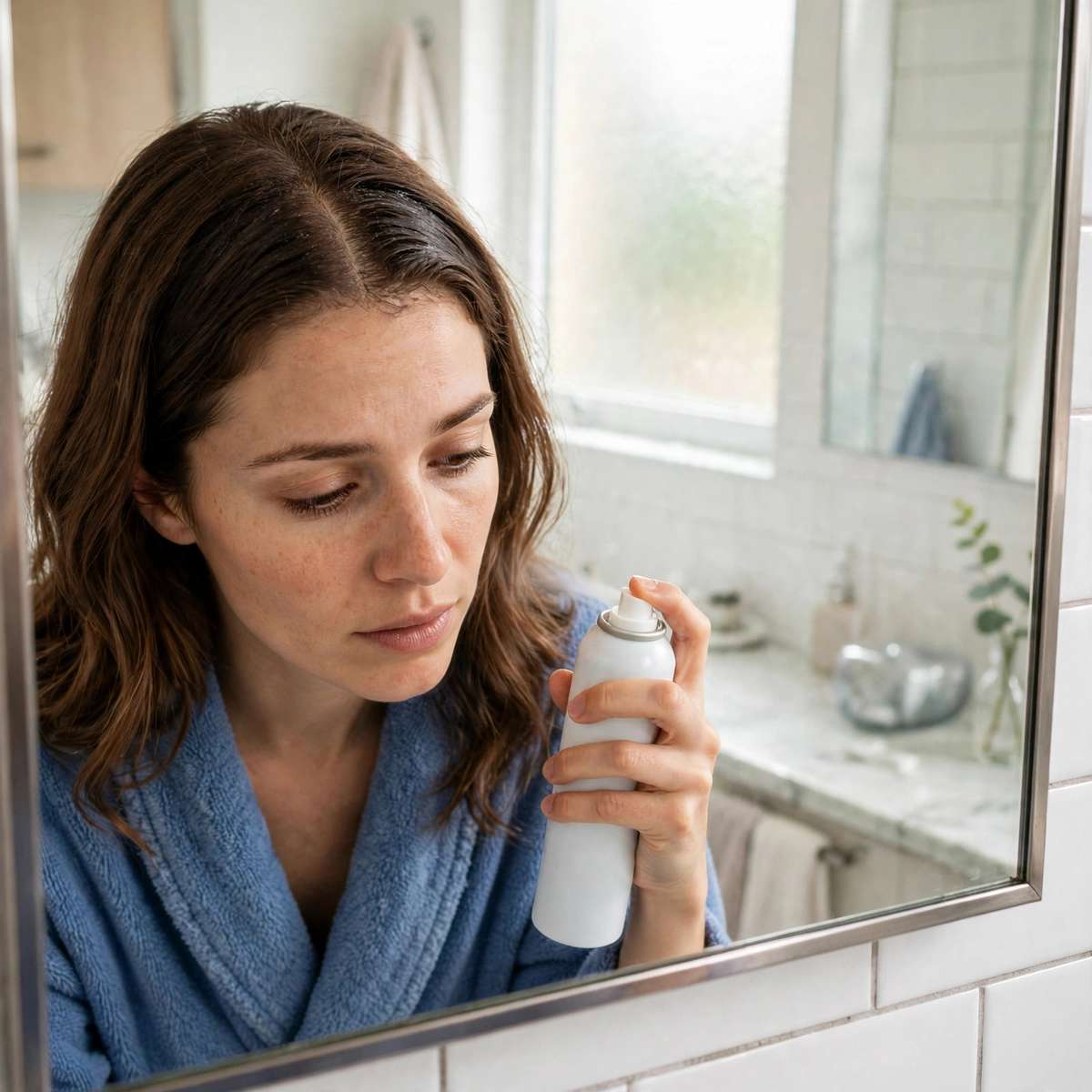
1. Dry Shampoo Soaks Up Oil, Not Dirt
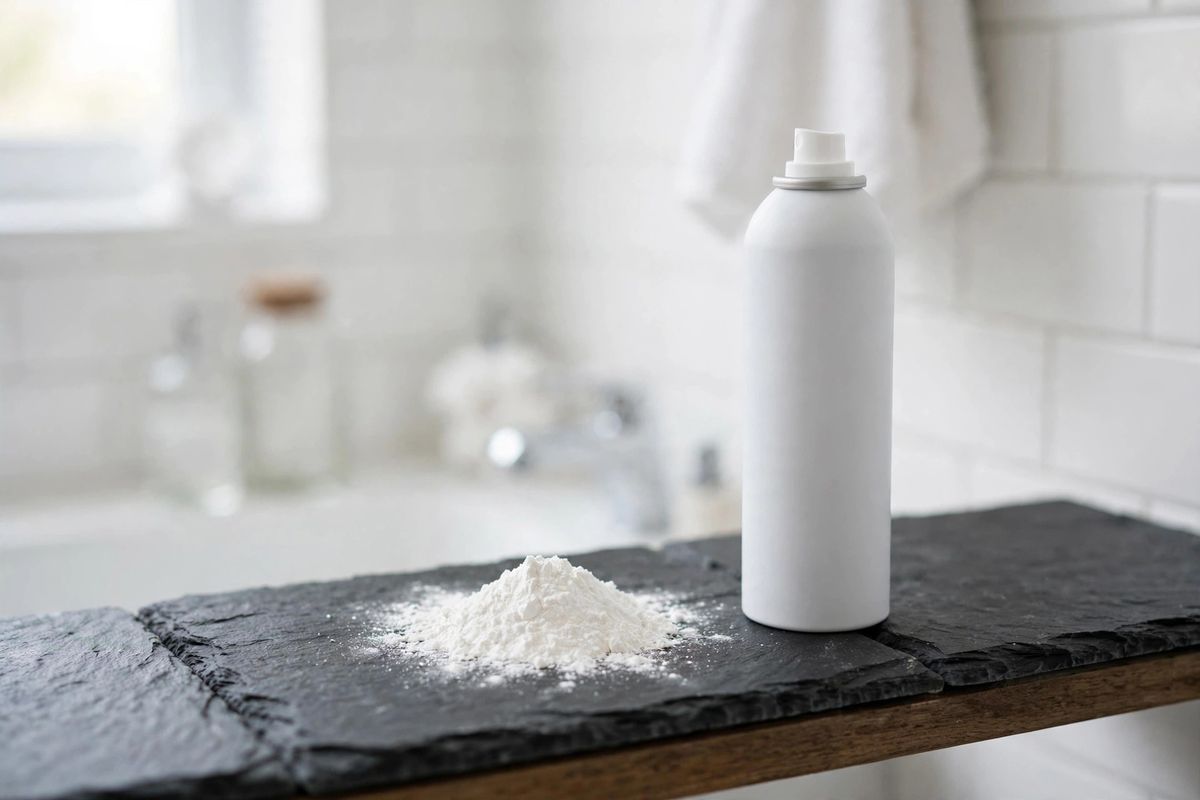
Dry shampoo is mostly a fine powder that sits on your hair and soaks up the oil on the surface. It does not wash anything away. The oil, sweat, dust, and old styling product are still there, just covered in powder. For an hour or two the powder makes your roots look matte and dry, so you think the problem is solved. Underneath, the oil keeps building. When the powder wears off, the grease shows up again, often looking heavier than it did before you sprayed. Real washing lifts oil and dirt off the scalp and rinses them away. Dry shampoo only borrows time, and the bill comes due the same day.
2. The Powder Builds Up on Your Scalp

Every spray leaves a thin layer of powder on your scalp, and that layer does not vanish. If you spray again the next day without washing, you add a second layer on top of the first. After two or three days the build up feels gritty when you touch your roots, and your scalp can start to itch. The powder mixes with fresh oil and turns into a dull paste that weighs the hair down. Your roots lose lift, your part looks wider, and your hair feels dirty even right after you spray. The only way to clear that build up is a real wash with shampoo and water, worked well into the scalp.
Quick Tip
If your roots feel gritty or your scalp itches, that is build up talking. Skip the spray and wash your hair that day.
3. It Clogs the Tiny Openings Around Each Hair

Each hair grows out of a tiny opening in your scalp, and that opening needs to stay clear. When powder, oil, and old product sit on the scalp day after day, they can block those openings. Blocked openings trap oil underneath, so the scalp feels greasy even when the hair on top looks matte. Over time a blocked scalp can also make hair look thinner at the roots, because new hairs struggle to grow through the build up. This is why hairdressers tell you to wash the scalp, not just the lengths. A clean scalp is the base for fresh looking hair, and no spray can give you that.
4. Your Scalp Makes More Oil to Catch Up

Your scalp makes oil to keep itself soft and safe. When you strip that oil away again and again with powder, or when you wash too harshly to remove the powder, your scalp can react by making even more oil. It is like a cycle: more oil, more spray, more build up, then more oil again. Many women notice that the more often they reach for dry shampoo, the faster their hair turns greasy. The scalp is not broken, it is just trying to replace what keeps getting taken away. Breaking the cycle means washing gently, not piling on more product, and giving the scalp a day or two to settle.
The oil cycle
5. You Spray More Because the First Spray Stops Working

The first time you use dry shampoo on fresh hair, a little spray goes a long way. But once build up is already sitting on your scalp, the same amount does less and less. So you hold the can closer, spray for longer, and add a second round for good measure. That extra powder makes the roots feel heavy and chalky, and it shows up as a pale cast on dark hair. It also makes the hair harder to brush, because the powder grips the strands. Using more product to fix the problem the product caused is a trap. If one light spray does not freshen your hair, the answer is a wash, not a bigger cloud of powder.
If one light spray does not work, more spray will not fix it. Wash your hair instead.
6. The White Film Makes Hair Look Duller and Heavier

Dry shampoo leaves a fine white film, and that film is easy to see on dark hair and hard to hide on any hair colour. Even when you rub it in well, a faint chalky look can stay, especially at the part and around the hairline. The film also dulls shine, because it coats each strand in a matte layer that blocks light. Your hair can look flat, dry, and tired, even though the roots are still oily underneath. That mix of dull on top and greasy below is the worst of both worlds. A good wash brings back shine and movement in a way powder never can, because clean strands reflect light again.
- ▸White film shows most on dark hair and at the part.
- ▸Powder coats strands and dulls natural shine.
- ▸Roots stay oily under the matte layer.
7. It Dries Out Your Ends While Your Roots Stay Greasy

Dry shampoo is made to soak up oil, but it does not know where to stop. When the mist drifts down the lengths of your hair, it pulls moisture out of the ends too. The result is a strange mix: greasy roots and dry, rough ends that tangle and break more easily. If your hair is already dry from colour, heat tools, or cold weather, the extra drying makes it worse. The ends can look frizzy and feel like straw, while the roots still look flat and oily. Keeping the spray only at the roots helps, but even then a little drift is hard to avoid. Healthy hair needs oil in the right place and moisture at the ends.
8. It Can Make Itching and Flakes Worse

A scalp covered in powder and oil is an unhappy scalp. The build up can irritate the skin, and that irritation often shows up as itching, redness, or small white flakes that look like dandruff. Scratching only spreads the powder and oil around, and it can make the flakes more visible on dark clothes. If you already have a sensitive scalp, dry shampoo can make flare ups more likely, because the scalp never gets a proper clean between sprays. Washing with a gentle shampoo and massaging the scalp with your fingertips helps clear the build up and calm the itch. If the itching stays after a good wash, give your scalp a break from all sprays for a few days.
Quick Tip
Massage shampoo into your scalp with your fingertips for a full minute. Nails scratch, fingertips clean.
9. It Hides the Real Problem Instead of Fixing It
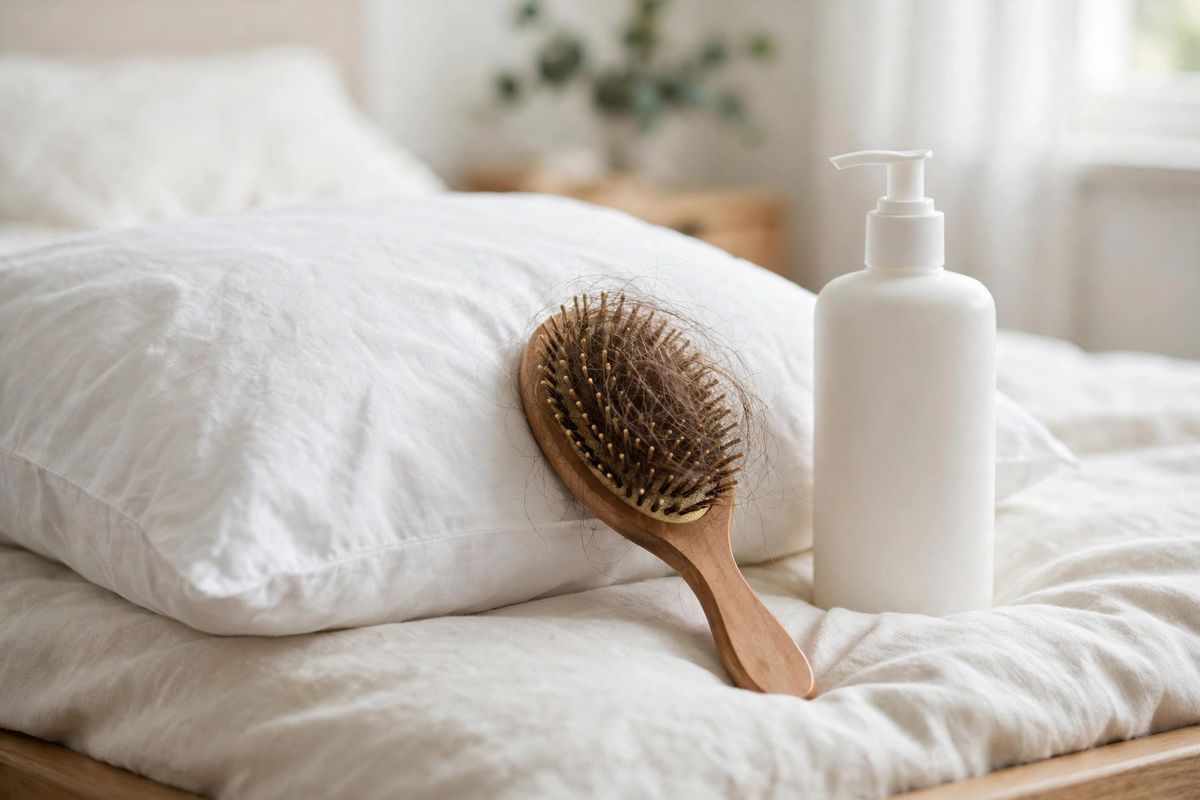
Greasy hair is often a sign of something simple: washing with water that is too hot, using a heavy conditioner on the roots, touching your hair all day, or sleeping on a pillowcase that needs a wash. Dry shampoo covers the shine, so you never look for that real cause. You keep spraying, the grease keeps coming back, and you start to think your hair is just greasy by nature. Most of the time it is not. Once you find the cause, the fix is often easy, like keeping conditioner off the roots or washing your pillowcase twice a week. A spray can buy you an afternoon, but it cannot fix a habit that makes your hair greasy every day.
10. Brushing It Out Wrong Spreads the Grease Around

Many women spray dry shampoo and then brush hard to spread it through the hair. But brushing from root to tip can drag the oil and powder down the lengths, so the grease spreads instead of lifting away. The hair ends up looking dull all over, not just at the roots. The right way is to spray at the roots only, wait two minutes, and then brush gently with a clean brush, or shake the roots with your fingers. Brushing also moves oil from the scalp along each strand, which is helpful on clean hair but not on hair that is already greasy. If your brush is full of old oil and product, clean it first, or it will put grease straight back into your hair.
Do it this way
11. The Fix Starts with a Proper Wash, Not Another Spray
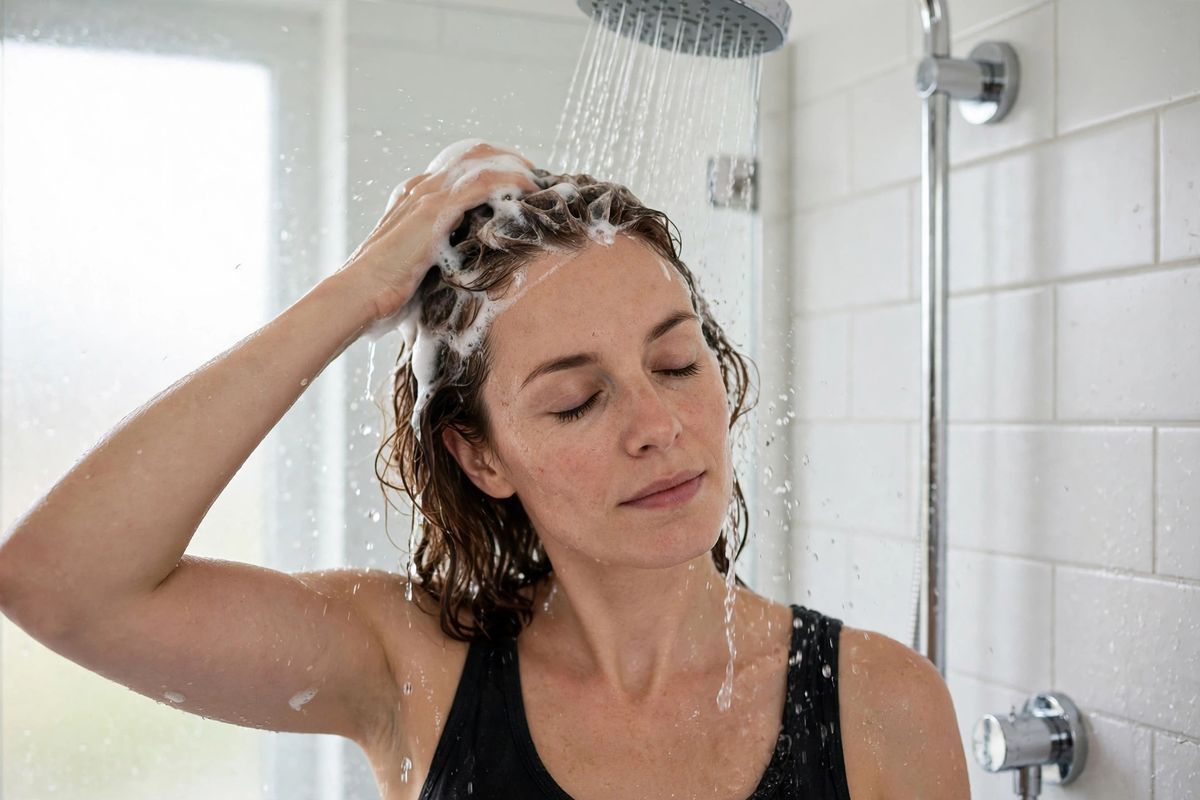
The real fix for greasy hair is a good wash, done the right way. Wet your hair with warm water, not hot, and work a small amount of gentle shampoo into your scalp with your fingertips. Rinse well, then shampoo the scalp once more if your hair is very oily. That second wash clears the build up the first wash loosened. Keep conditioner on the mid lengths and ends only, never on the roots, and rinse it out fully. Finish with a cool rinse if you can stand it, because cool water helps the hair lie smooth and look shiny. Your hair should feel light and clean at the roots, and that clean feeling is what dry shampoo can never give you.
Wash the scalp twice, keep conditioner off the roots, and rinse well. That is the whole fix.
12. Use Dry Shampoo the Right Way on Clean Hair

Dry shampoo works best when you use it early, not late. Spray it on clean, dry hair at the roots before the oil builds up, for example on the morning after a wash, and it will soak up oil as it appears through the day. Hold the can about 20 cm from your head, lift small sections, and give each one a short burst. Wait two minutes, then rub the roots lightly with your fingertips and brush gently. Use it at most one day between washes, and never two days in a row without washing. Think of it as a helper for one busy day, not a replacement for washing. Used this way, it stretches a good wash day instead of making the next day worse.
- ▸Spray on clean hair, before oil builds up.
- ▸Roots only, short bursts, from 20 cm away.
- ▸One day between washes, never two in a row.
13. Build a Simple Routine That Keeps Grease Away Longer
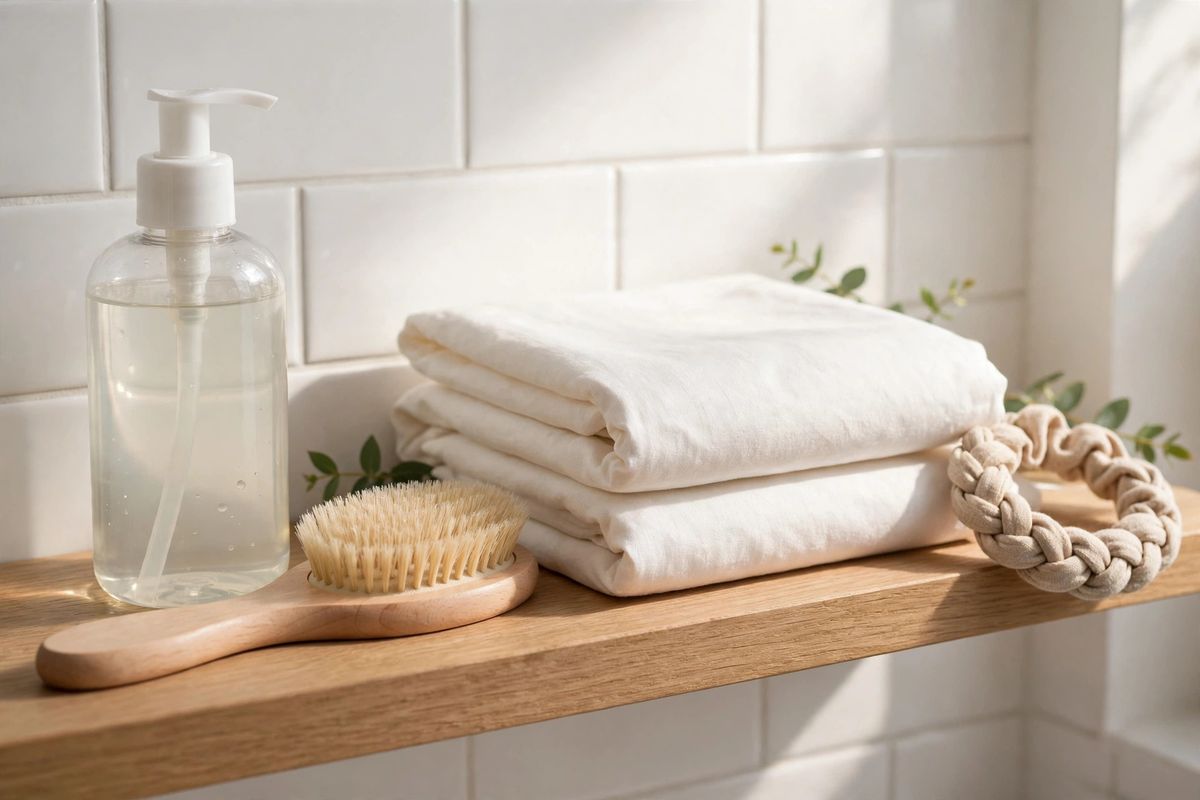
The best way to need dry shampoo less is a simple routine you can stick to. Wash every two to three days with a gentle shampoo, keep conditioner off your roots, and wash your pillowcase twice a week. Clean your brush once a week with warm soapy water, and try not to touch your hair during the day, because hands move oil straight onto the roots. On no wash days, a loose braid or a low ponytail keeps hair off your face and hides the roots. Give your scalp a rest from sprays and heavy products for one day each week. Small habits add up, and after two weeks most women find their hair stays fresh a full day longer than before.
Fresh Hair Starts with a Clean Scalp
Dry shampoo is a handy tool, but it is not a wash, and using it day after day makes greasy hair worse. The powder builds up, blocks your scalp, dries your ends, and hides the real cause of the grease. Use it lightly, on clean hair, for one busy day at a time, and wash well in between. Your scalp will settle, your roots will stay light for longer, and your hair will look shiny again. Keep the spray in your bag for emergencies, and let a good wash do the real work.
—


