
How To Style Hair For Winter Without Static Step by Step That Actually Works
Winter hair can be so frustrating. You brush it smooth, put on your coat, and by the time you reach the door your hair is flying in every direction. The cold dry air pulls moisture out of your hair, and wool hats and scarves make it worse. Static turns a good hair day into a frizzy mess in minutes, and it feels like nothing helps.
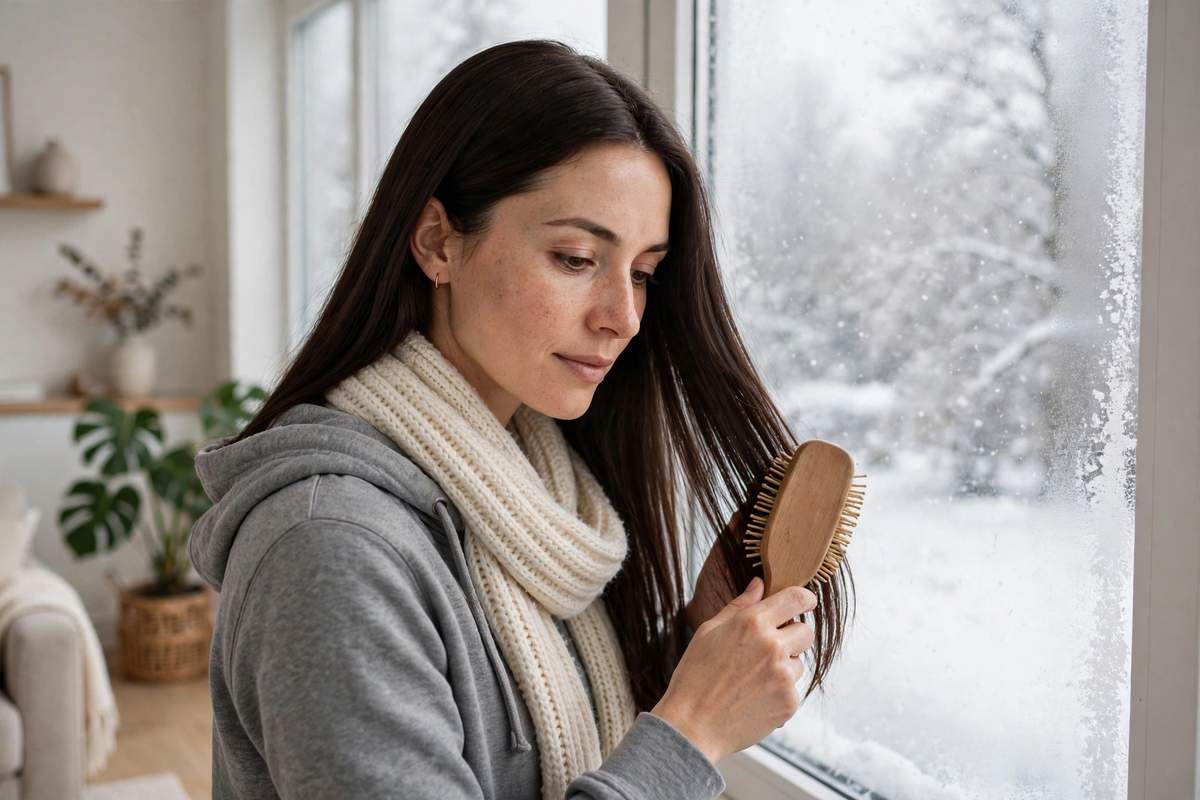
This guide shows you how to style hair for winter without static, step by step. You will learn 12 simple steps that keep your hair smooth, soft, and calm all day long. Each step is easy, takes only a few minutes, and uses things you may already have at home. You do not need fancy products or a salon visit to fix it, and the steps work for straight, wavy, and curly hair alike. Follow the steps in order, and you will walk out the door with hair that stays put, even on the coldest, driest winter day.
1. Start With a Hydrating Wash

Static starts with dry hair, so your wash matters more in winter than in summer. Use a hydrating shampoo and a rich conditioner each time you wash, and let the conditioner sit for two or three minutes before you rinse. The extra moisture fills your hair strands and makes them less likely to pick up a charge. Wash with warm water, not hot, because hot water strips the natural oils that protect your hair. If your hair feels dry by midday, try washing it one day less each week. A little natural oil helps your hair stay calm and smooth through cold, dry air.
2. Blot Your Hair, Never Rub It

How you dry your hair after a shower sets the tone for the whole day. Rubbing your hair hard with a towel roughs up the outer layer of each strand, and that rough surface grabs static fast. Instead, press a soft towel or an old cotton shirt gently against your hair and squeeze out the water in sections. Work from the roots down to the ends, and take your time. A microfibre towel works even better because it soaks up water without friction. This one small change takes the same amount of time as rubbing, but it leaves your hair smoother and much calmer.
Quick Tip
Use an old cotton T-shirt instead of a rough towel. The smooth fabric causes less friction, so your hair dries with far less frizz and static.
3. Add Leave In Conditioner While Hair Is Damp

Leave in conditioner is the best friend of winter hair. While your hair is still damp, smooth a small amount through the mid lengths and ends, where static shows up first. The cream coats each strand with a thin layer of moisture and helps your hair hold it through the day. Start with a coin sized amount and add a little more only if your hair still feels dry. Do not put it on your roots, or your hair can look flat by lunch. This step takes under a minute, and it is the single easiest way to cut winter static before you even pick up a brush.
4. Smooth a Drop of Hair Oil on the Ends

A drop of hair oil seals in the moisture from your leave in conditioner and gives your ends a smooth, calm finish. Warm one or two drops between your palms, then glide your hands lightly over the ends of your hair. The oil adds weight where static lifts hair up, so your ends stay down and neat. Use only a tiny amount, because too much oil can make hair look greasy, and fine hair needs even less. Argan oil and jojoba oil both work well for this step. If your ends still lift by midday, smooth one more drop over them with your palms.
Oil checklist
5. Pick the Right Brush for Winter

Your brush can cause static or stop it. Plastic brushes build up a charge as they move through dry hair, and that charge is what makes strands fly. A brush with natural boar bristles or a wide tooth wooden comb moves through hair with much less friction. Brush slowly and gently, starting at the ends and working your way up to the roots, so you do not pull and break strands. Clean your brush once a week too, because product build up on the bristles adds friction. The right brush costs little, lasts for years, and makes a clear difference on dry winter mornings.
A plastic brush builds static. A boar bristle brush or wooden comb does not, so swap your brush before winter really bites.
6. Dry on Low Heat and Finish With Cool Air
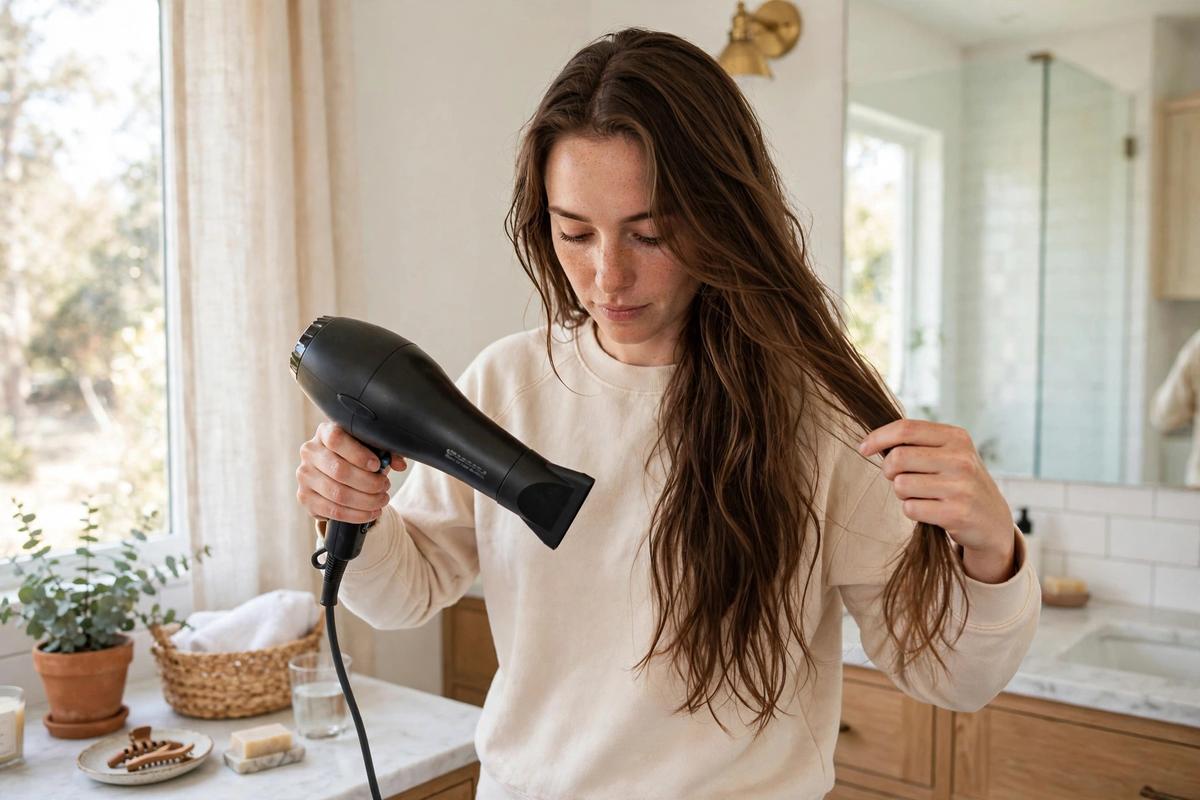
Hot air dries hair out fast, and dry hair is static hair. When you blow dry in winter, use the low or medium heat setting and keep the dryer moving so no one spot gets too hot. Point the nozzle down the hair shaft, from roots to ends, so the outer layer of each strand lies flat. When your hair is almost dry, switch to the cool shot button for thirty seconds. The cool air seals the outer layer and locks in the smooth finish. Your hair will look shinier, feel softer, and hold its style much longer in cold air.
- ▸Use low or medium heat, never the hottest setting.
- ▸Point the nozzle down, from roots to ends.
- ▸Finish with thirty seconds of cool air to seal the strands.
7. Spray Hairspray on Your Brush, Not Your Hair

A light mist of hairspray can calm flyaways, but spraying it straight onto your hair can leave it stiff and crunchy. The better way is to spray a little onto your brush, then brush gently over the top layer of your hair. The brush spreads a thin, even layer that holds flyaways down without making your hair hard. A flexible hold spray works best, because it keeps your hair soft and touchable. This trick also works on the hair around your face, where static shows up first. Keep the spray light, and your hair will stay smooth but still move naturally.
8. Choose a Silk Lined Hat or Hoodie

Hats keep you warm, but wool and acrylic hats are the worst for static. Every time you pull one on or off, the friction charges your hair and sends it flying. A hat with a silk or satin lining slides over your hair instead of gripping it, so you stay warm without the shock of flyaways. The same trick works for hoodies. A hoodie with a smooth satin lined hood protects your hair far better than a rough fleece one. If you love your wool hat, wear a thin silk scarf under it as a barrier. Your hair will thank you when you take the hat off indoors.
What you need
9. Calm Flyaways With a Dryer Sheet
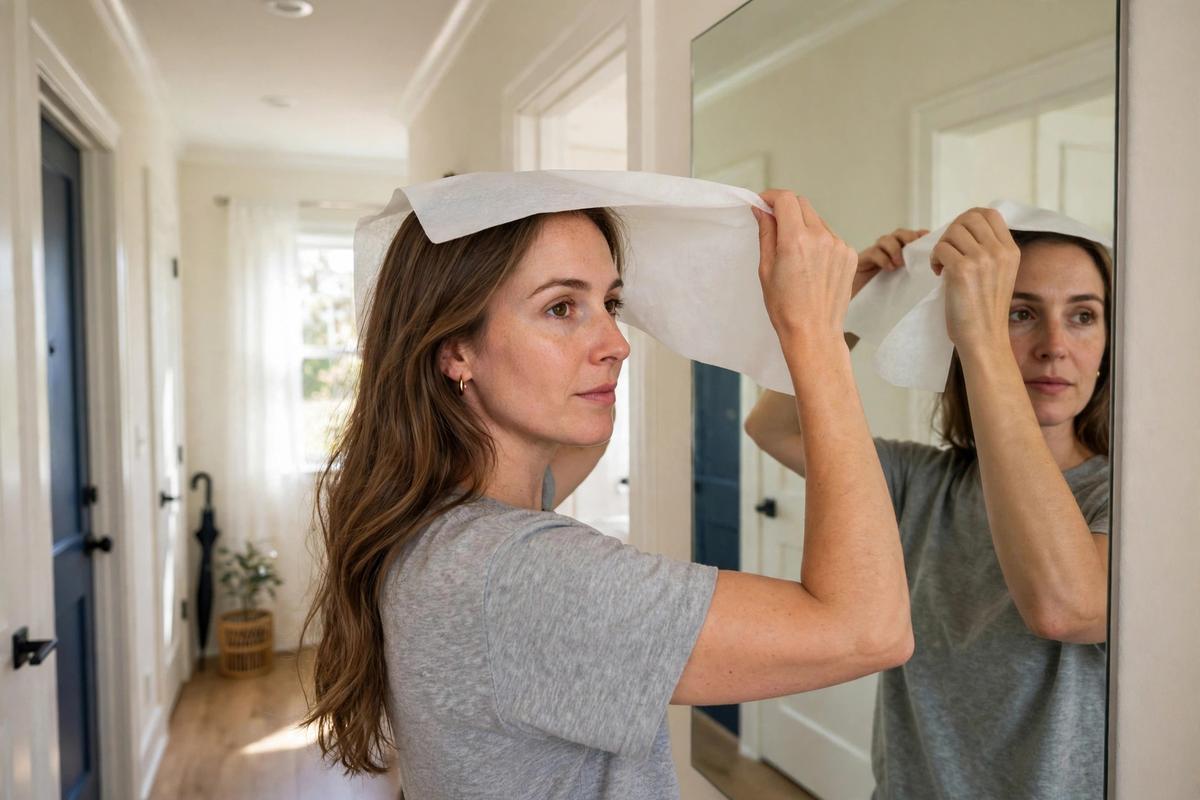
This sounds odd, but a used dryer sheet is one of the quickest fixes for winter flyaways. The sheet carries a light coating that neutralises the charge on your hair, so strands fall back into place instead of floating. Gently smooth the sheet over the top layer of your hair, from roots to ends, and watch the flyaways settle. Use a fresh sheet if you want a stronger effect, or a used one for a lighter touch. This is a quick fix, not a replacement for moisture, so use it on top of the other steps. Keep a couple of sheets in your bag for cold, dry days.
10. Layer a Silk Scarf Under Your Coat

Your coat collar and scarf rub against your hair all day, and that constant friction builds static with every step. A silk scarf worn between your hair and your coat stops that rubbing. Drape it over your hair at the back, or tuck it around your neck so it sits between your hair and your collar. Silk is smooth, so your hair glides over it instead of catching and charging. This trick works under a hoodie too, and it looks chic with a winter coat. Pick a scarf in a colour you love, and it becomes both a style piece and a static shield.
Quick Tip
Drape the silk scarf over your hair before you put your coat on. If the coat goes on first, the collar rubs your hair and the scarf cannot protect it.
11. Moisturise Your Hands Before You Touch Your Hair

Dry hands carry a charge, and every time you smooth your hair with dry hands you pass that charge straight into it. Before you touch your hair on a winter day, rub a little hand cream into your palms and fingers. The moisture on your skin calms the charge, so your hands glide over your hair instead of making it fly. This matters most when you take off a hat or fix your hair in a mirror. It takes ten seconds and costs nothing extra, since you probably use hand cream in winter anyway. Smooth hands mean smooth hair, all day long.
12. Do a Quick Static Check Before You Leave
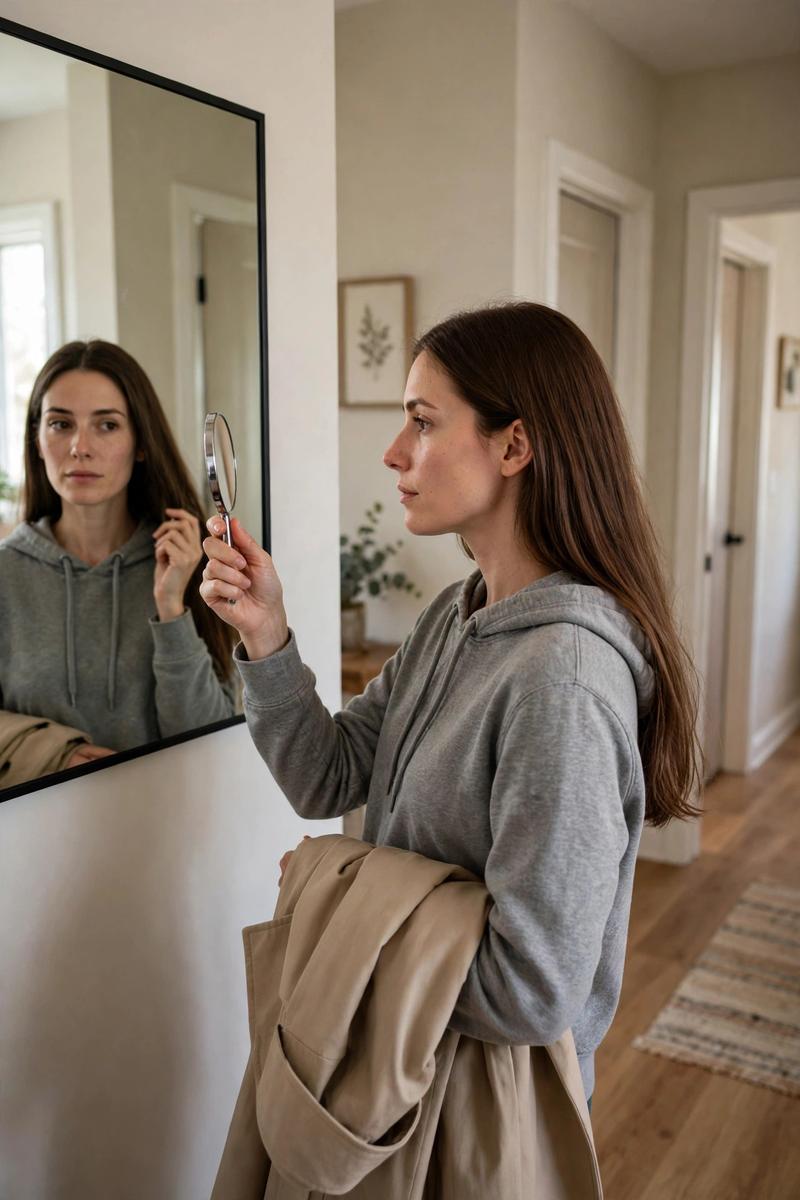
The last step takes thirty seconds and saves you from a bad hair surprise. Stand in front of a mirror in good light, take off your hat or hood, and look at your hair from the front and the sides. If you see flyaways, smooth them with oiled palms or a dryer sheet. Check the back too, using a hand mirror or your phone camera. Fix any lifted sections now, while you still have your products nearby. Once you are happy, put your hat or hood back on gently, lifting it over your hair instead of dragging it across. Then walk out the door with calm, smooth winter hair.
Before you leave checklist
Enjoy Calm, Smooth Hair All Winter
Winter static does not have to ruin your hair. A hydrating wash, a little leave in conditioner, the right brush, and a silk lined hat can keep your hair smooth from morning to night. Pick the steps that fit your routine, try them for a week, and keep the ones that work best for you. Your hair will feel softer, look shinier, and stay calm even on the driest winter days.
—